
Plumbing Repairs in Sulphur Springs, TX and surrounding counties
Small plumbing problems have a way of getting bigger while they wait. A drip becomes a stain on the cabinet floor, and a toilet that runs at night shows up on the next bill. Waterford Plumbing takes care of plumbing repairs in Sulphur Springs, the everyday fixes that sit alongside the larger plumbing projects Waterford Plumbing takes on.
Something leaking, dripping, or stuck? Describe it over the phone.
Repairs That Come Up Most Often
Faucets and Sinks
Most dripping faucets come down to a worn cartridge, washer, or O-ring inside the handle. Under the sink, the usual leaks start at the slip joints on the drain trap or at the compression nut where the supply line meets the shutoff.
Toilets
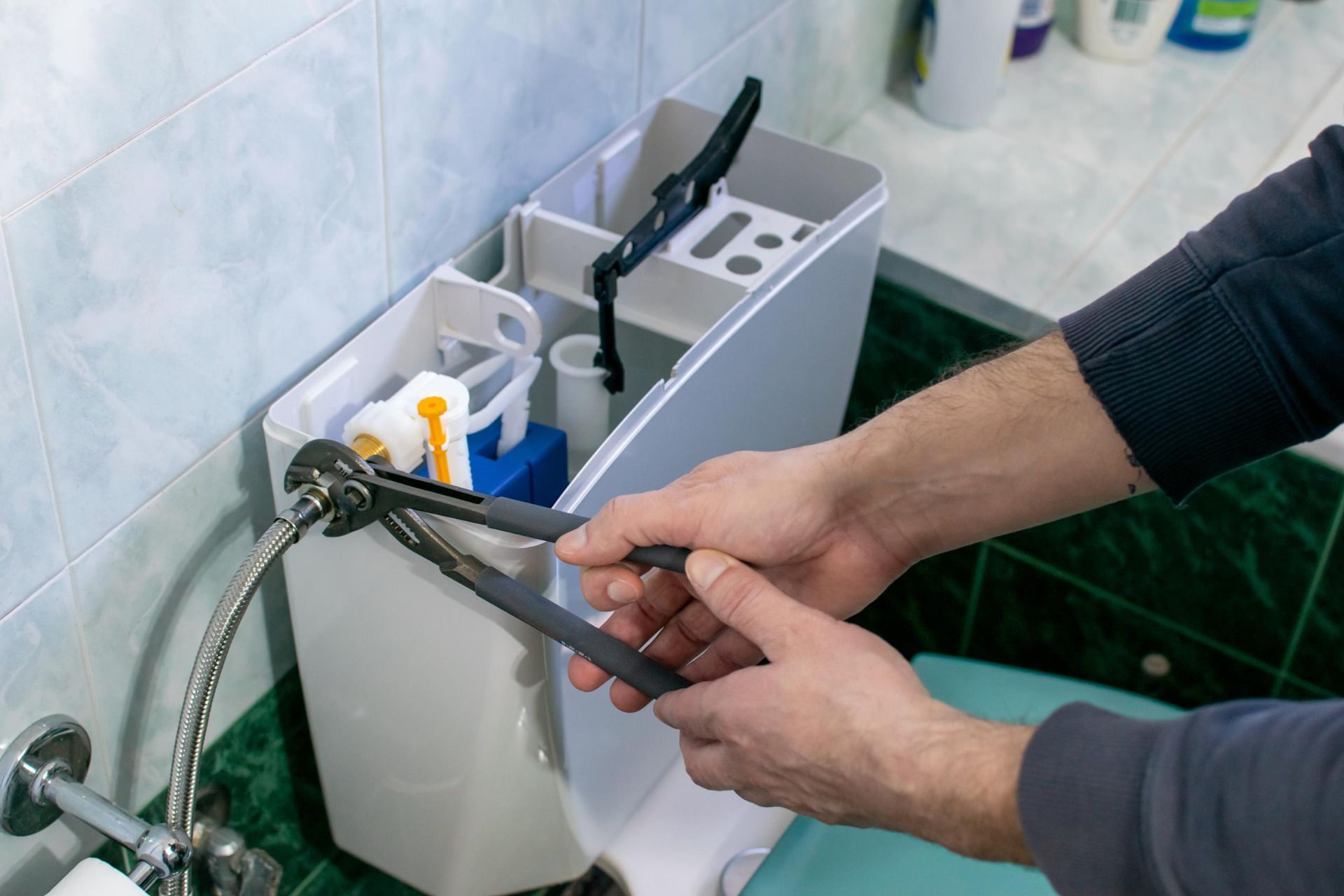
A toilet that refills on its own, hisses, or keeps running after a flush almost always has a worn flapper or a failing fill valve. A toilet that rocks on the floor can break its wax seal and leak at the base, which can rot the subfloor over time.
Shutoff Valves and Supply Lines
The small valves under sinks and behind toilets often go untouched for years, then refuse to close the one time they are needed. Older multi-turn valves are a common culprit. The flexible lines between those valves and the fixtures wear out as well.
Leaks in Pipes
A pinhole in a supply pipe, a joint that weeps under a vanity, or a damp spot on a ceiling below a bathroom all need tracing back to the source before anything is fixed.
Outdoor Faucets
Hose bibs take a beating from weather and from being cranked shut too hard. A worn washer, a cracked body after a freeze, or a missing vacuum breaker are the usual problems.

Finding Why It Broke
Replacing a failed part fixes the symptom. Sometimes there is a reason the part failed, and it will fail again unless that reason is found. Water pressure that runs too high wears out fill valves and faucet cartridges early. Fixtures that need repair again and again in an older bathroom may mean the plumbing behind the wall has reached the point where updating the plumbing during a remodel makes more sense than another patch.
Low pressure is another clue worth following. If it shows up at a single faucet, the cause is usually right there. If it shows up at every tap at once, the problem may be outside the house, and
a leak in the buried waterline is a possibility to rule out.
What to Do While You Wait
If a fixture is leaking, close the shutoff valve under or behind it. If that valve will not close, or the leak is in a pipe with no valve nearby, shut off the main where the water line enters the house or at the meter box. Put a towel or bucket under the drip, and move anything stored under the sink out of the way. Before you call, take a photo of the leak and the parts around it. That helps the conversation go faster.
Repair Calls Near Sulphur Springs
Repair calls come from inside town and from the communities nearby, including Como, Commerce, and Emory. The fixtures may differ from house to house, but the questions are the same: what is leaking, where, and since when.
Plumbing Repair Questions
How much water does a dripping faucet waste?
A faucet dripping once per second wastes more than 3,000 gallons a year, according to the EPA. That is water you pay for, and the drip usually speeds up as the worn part deteriorates.
How can I tell if my toilet is leaking?
Put a few drops of food coloring in the tank and wait about 10 minutes without flushing. If color appears in the bowl, water is leaking past the flapper. The EPA estimates that a leaking toilet can waste 200 gallons a day.
Why won't my shutoff valve close all the way?
Older multi-turn valves seal with a rubber washer that hardens with age and stops sealing. Mineral buildup can also keep them from turning. They are commonly replaced with quarter-turn ball valves, which close with one quick movement.
Why is the water pressure low at only one faucet?
The aerator at the tip of the spout is the first thing to check. Sediment collects in its screen and restricts flow. Unscrew it, rinse it, and put it back. If pressure is low at every fixture, the cause is further upstream.
How do I protect outdoor faucets in winter?
Disconnect hoses before a freeze. A hose left attached traps water in the faucet body, which can split even a frost-free hose bib. Insulated faucet covers add protection when temperatures drop into the teens.