
Remodel Plumbing in Sulphur Springs, TX and surrounding counties
A remodel changes how a room looks and works, but the pipes behind the walls decide what the new layout can be. Waterford Plumbing handles remodel plumbing in Sulphur Springs as part of the plumbing work Waterford Plumbing does around Sulphur Springs, fitting new fixtures and new layouts into houses whose plumbing was built for something else.
Got a design in mind? Talk it through before demolition starts.
What a Remodel Asks of the Plumbing
Not every renovation touches the pipes the same way. Swapping a vanity for one the same size is a small job. Moving that vanity to the opposite wall is a different one entirely.
Bathrooms
Bathroom projects range from replacing fixtures in place to gutting the room down to the studs. Common changes include converting a tub to a walk-in shower, adding a second sink, relocating the toilet, and replacing an old shower valve with a new one.
Kitchens
Kitchen remodels often move the sink, add an island with its own sink, or bring in appliances that need water, such as a dishwasher, a refrigerator with an ice maker, or a pot filler over the range. Each new connection needs a supply line, and anything with a drain needs a path to the main line.
Additions and Conversions
Turning a garage into living space, adding a bedroom suite, or building a laundry room where none existed means extending supply and drain lines into space that never had them.
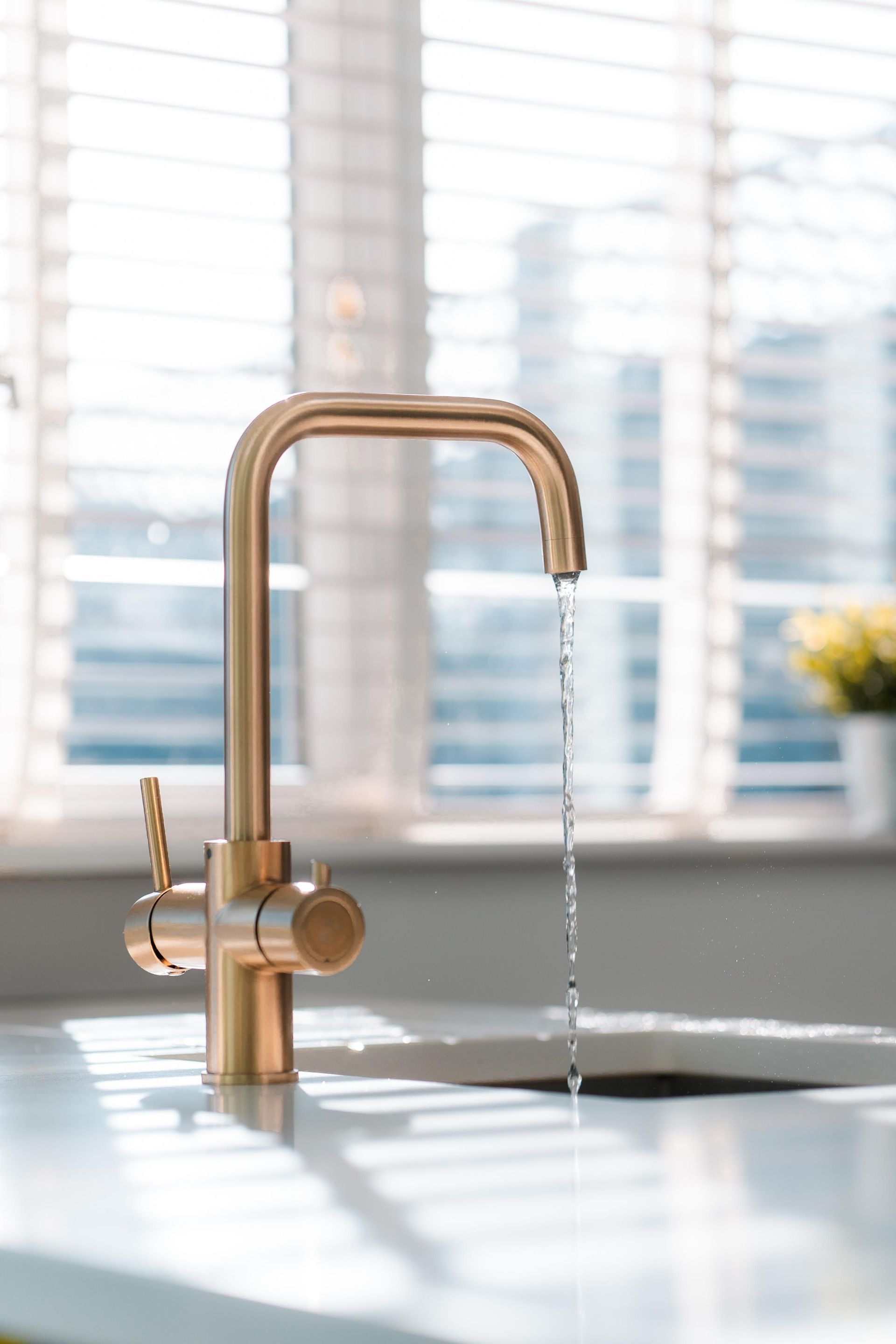
Old Pipe Behind New Walls
Opening a wall during a remodel is often the first look anyone has had at a home's plumbing in decades. What turns up there matters. Galvanized steel supply pipe, common in houses built before the 1960s, corrodes from the inside and slowly narrows until pressure drops. Polybutylene, a gray plastic pipe installed in many homes from about 1978 to 1995, has a well-documented history of failing at the fittings. Cast iron drains can crack or scale up with age. When walls are already open, replacing these sections costs far less than coming back to them after new tile and cabinets are in.

Moving Fixtures on a Slab Foundation
Relocating a toilet, tub, or floor drain in a house on a concrete slab means cutting a trench in the floor, rerouting the drain, and patching the concrete afterward. Drain lines have to keep a steady downward slope, usually a quarter inch per foot for pipe 3 inches and smaller. That means a fixture moved far from the main line may need its drain tied in at a different point.
Houses on pier and beam foundations are more forgiving. The drains run through a crawlspace, and they can often be rerouted without cutting anything but the subfloor.
Where Plumbing Falls in the Remodel Sequence
The order is close to that of plumbing a new home, just compressed into one or two rooms. Demolition opens the walls and floor. The plumbing is roughed in to the new layout. Where inspection is required, it happens before anything is covered. Then the walls close, tile and cabinets go in, and the fixtures are set last.
If the project only needs a faucet replaced or a leaking valve fixed, with no layout change, it belongs with
general plumbing repairs rather than a remodel.
Remodels Close to Sulphur Springs
Older farmhouses, mid-century homes in town, and newer houses getting their first update all come with different plumbing underneath. Projects in Tira, Yantis, and Commerce raise the same questions about pipe age, foundation type, and layout.

Remodel Plumbing Questions
Can a toilet be moved to a different spot on a slab?
Yes. The slab is cut open along the new drain route, a 3-inch drain is run to the new location at the required slope, and the concrete is patched. How far the toilet can move depends on where it can join the existing drain line.
Can a bathtub be converted to a walk-in shower?
Usually. One detail matters: a tub drain is commonly 1.5 inches, while the International Plumbing Code calls for a 2-inch drain on a shower. The conversion typically includes upsizing that drain, along with a new valve set at shower height.
Should old pipes be replaced during a remodel?
If the house has galvanized steel or polybutylene supply lines, a remodel is the cheapest time to replace the sections that are exposed. Polybutylene was installed in homes from roughly 1978 to 1995 and is prone to failing at its joints.
Does a kitchen island sink need a vent?
Every fixture drain needs venting, and an island has no wall to run a vent up through. Common solutions are an island loop vent under the cabinet or an air admittance valve where the local code allows one.
When should the plumber come in during a remodel?
Right after demolition and before any framing changes are closed up. If the layout moves fixtures, a walkthrough while plans are still being drawn will show what the existing pipe allows.