
Gas Line Installation and Repair in Sulphur Springs, TX
If you smell gas right now, stop reading, get everyone out of the house, and call your gas utility or propane supplier from outside. Everything else on this page can wait. For planned work, Waterford Plumbing installs and repairs gas lines in Sulphur Springs, one of the other plumbing services from Waterford Plumbing, from new runs for appliances to fixing leaks once the utility has made the area safe.
Planning a new gas appliance or dealing with a line that needs work? Call to talk through the job.
An Old Line That Keeps Failing
When You Smell Gas
Natural gas and propane are odorless on their own. Suppliers add a chemical that smells like rotten eggs so a leak can be noticed. If that smell shows up indoors, leave right away. Do not flip light switches, unplug anything, use a phone inside, or start a car in an attached garage, since any spark can ignite gas. Once outside and at a distance, call the gas utility or propane supplier and 911.
Do not go back in until the utility or fire department says it is safe. After the leak is found and the gas is shut off, the damaged pipe or fitting can be repaired, tested, and put back in service..
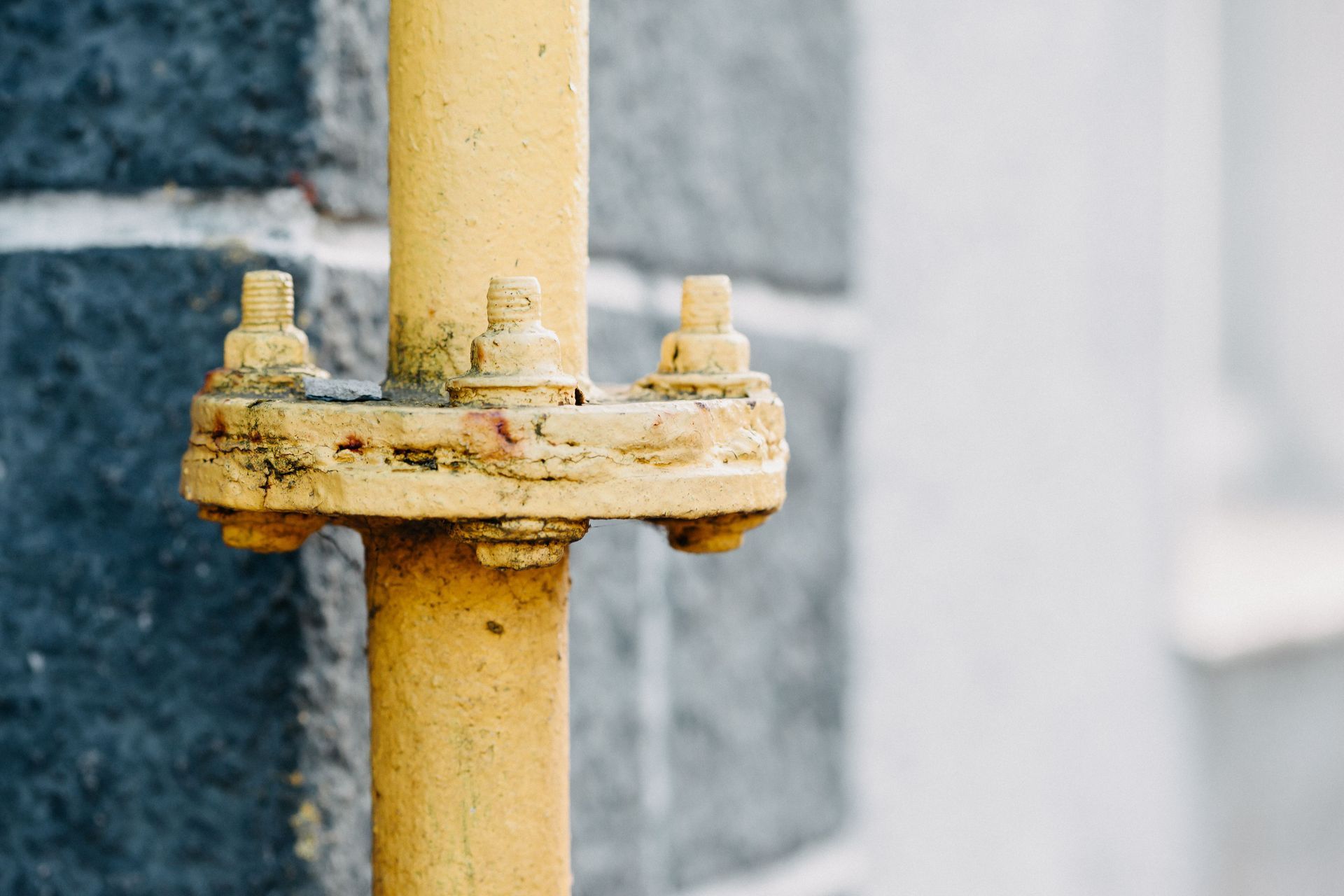
Adding or Extending a Gas Line
Most gas line work is planned, not urgent. Common reasons to add or extend a line include switching from an electric range to gas, adding a gas dryer, running a line to an outdoor grill or fire pit, or supplying a heater in a shop.
A tankless water heater is one of the most common causes. These units can draw several times the gas of a standard tank, so water heater installation often includes a larger supply line. On a new house, the gas piping is roughed in during framing along with the rest of the new construction plumbing, which is far easier than adding it after the walls are closed.
Sizing the Line Correctly
Gas pipe is sized by two things: the total demand of every appliance on the line, measured in BTUs per hour, and the length of the run from the meter or tank. Each new appliance adds to that load. A line that was sized for a furnace and a water heater may not carry enough gas once a range, a dryer, and a tankless unit are added.
An undersized line shows itself when several appliances run at once. Burner flames turn lazy and yellow, a furnace struggles to keep up, or a tankless heater throws error codes in the middle of a shower. Getting the size right on paper before any pipe goes in avoids those problems.
Pipe Materials
Black iron pipe has been the standard for indoor gas piping for generations. It is threaded together joint by joint and is very durable. Corrugated stainless steel tubing, usually called CSST and often sheathed in yellow, comes in flexible runs that need fewer joints. It must be bonded to the home's electrical grounding system to protect it from lightning damage. For runs buried in the yard, polyethylene pipe rated for gas is common, laid with a tracer wire so it can be located later.

What Code Calls For at Each Appliance
Every gas appliance needs its own shutoff valve, located within 6 feet of the appliance and in the same room, so the gas can be shut off without turning off the whole house. Most appliances also need a sediment trap, a short capped pipe at the inlet that catches debris before it reaches the controls. Flexible appliance connectors are limited to 6 feet and cannot run through walls, floors, or cabinets. Before new piping is covered or put into service, it is pressure tested to confirm there are no leaks.
Natural Gas and Propane Around Sulphur Springs
Homes in town are often on natural gas, while many properties around Tira, Cumby, and Winnsboro run on propane from a tank in the yard. The piping principles are the same for both. The difference is pressure: propane appliances operate at a higher pressure than natural gas, which affects regulators, appliance settings, and how the line is sized.
Gas Line Questions
What should I do if I smell gas?
Leave the building immediately without using switches, phones, or anything that could make a spark. From outside, call the gas utility or propane supplier and 911. Wait until they confirm it is safe before going back in or arranging repairs.
How are new gas lines tested?
Under the International Fuel Gas Code, new piping is pressure tested before it is concealed or used. The test pressure is at least 1.5 times the working pressure, and never less than 3 psig, held for at least 10 minutes with no drop.
What is a sediment trap?
It is a tee fitting at the appliance inlet with a capped pipe pointing downward. Dirt, scale, and moisture in the gas drop into it instead of entering the appliance's valve. The fuel gas code requires one on most gas appliances.
Does CSST gas tubing need to be bonded?
Yes. The International Fuel Gas Code requires CSST to be bonded to the home's electrical grounding with a conductor no smaller than 6 AWG copper. Bonding reduces the risk of a lightning surge arcing through the thin tubing wall.
Can an appliance be switched from natural gas to propane?
Many can, using a conversion kit from the manufacturer that changes burner orifices and regulator settings. Propane is typically delivered to appliances at about 11 inches of water column, compared with about 7 inches for natural gas, so a natural gas appliance cannot simply be hooked to a propane line.