
Water Heater Installation in Sulphur Springs, TX
Running out of hot water halfway through a shower is usually the first warning. A puddle around the base of the tank is the second, and by then the decision has been made for you. Waterford Plumbing installs water heaters in Sulphur Springs as part of the plumbing work done by Waterford Plumbing, replacing worn-out units and setting new ones in place with the valves, venting, and connections they need.
No hot water, or water where it should not be? Call and describe what the heater is doing.
An Old Line That Keeps Failing
Signs a Water Heater Is Wearing Out
Age is the first thing to check. A conventional tank typically lasts about 8 to 12 years, and the manufacture date is coded into the serial number on the label. A heater in that range that starts acting up is rarely worth a major repair.
Other signs build gradually. Hot water that comes out rust-colored can mean the inside of the tank is corroding. Popping or rumbling during a heating cycle comes from sediment settled on the bottom, which makes the heater work harder and wears it down. A shrinking supply of hot water, with no change in household use, often points the same way. Water seeping from the tank itself means the steel has rusted through, and that cannot be repaired..
Choosing the Replacement
Tank Size
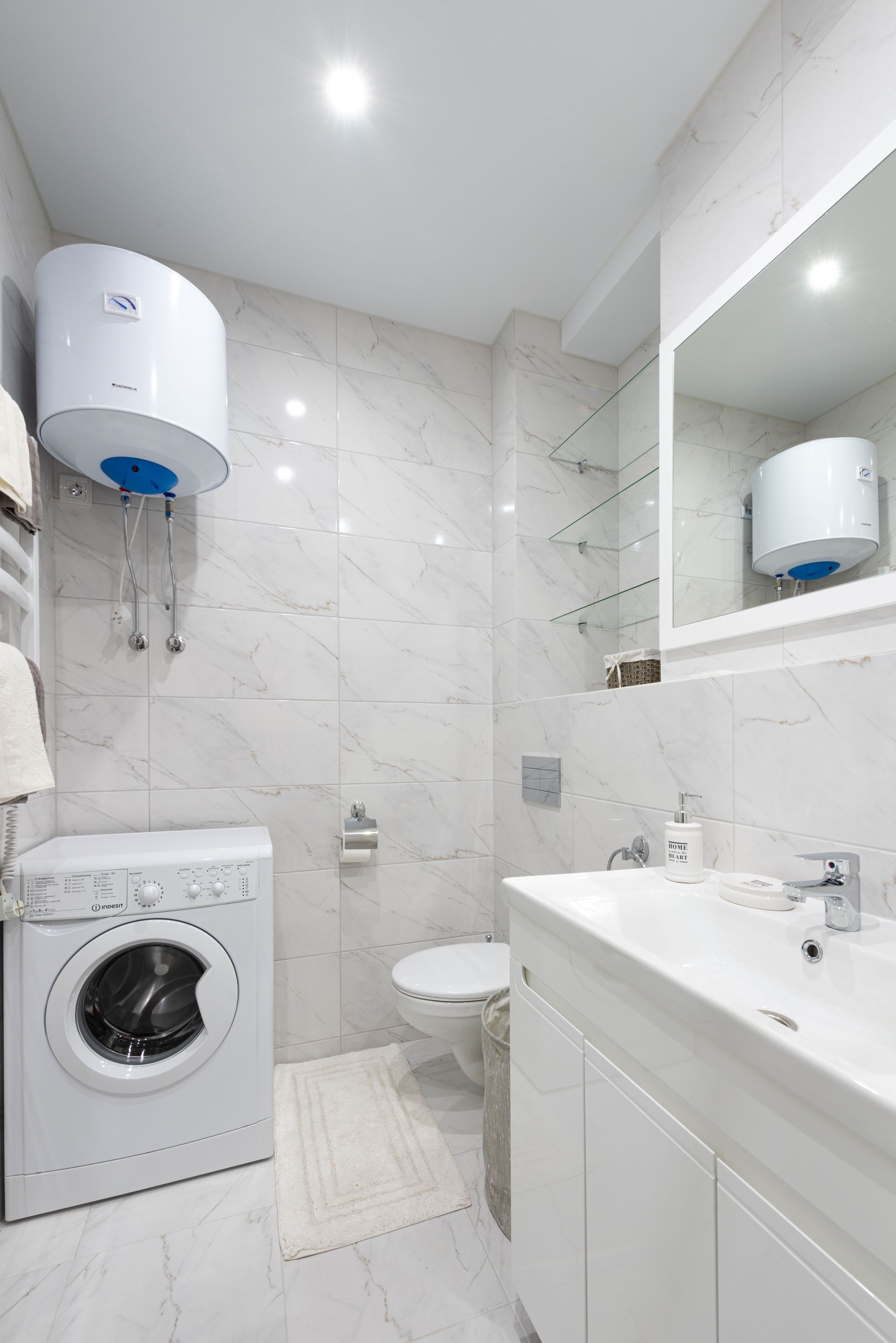
Most homes use a 40- or 50-gallon tank. The number that matters more is the first-hour rating on the yellow EnergyGuide label, which shows how much hot water the heater can deliver in an hour of heavy use. A household that runs back-to-back showers in the morning needs a higher rating than one that spreads use through the day.
Tank or Tankless
A tankless unit heats water as it flows instead of keeping a tank hot, so it does not run out the way a tank does, but it is limited by how many gallons per minute it can heat at once. Gas tankless units usually need a larger gas supply and different venting than a tank, which can mean upgrading the gas line as part of the job.
Gas or Electric
Replacing a heater with one that uses the same fuel is the simplest path. Switching from electric to gas means running a gas line and a vent. Switching from gas to electric means a dedicated 240-volt circuit large enough for the heater.
What a Proper Installation Includes
The heater is only one part of the job. Codes call for several pieces around it, and each one is there for a reason.
The temperature and pressure relief valve needs a discharge pipe that runs to within 6 inches of the floor or to an approved drain point, so a release does not spray across the room. Where a leak would damage the building, such as in an attic or a closet over a finished floor, the heater sits in a drain pan piped to a safe location. In a home with a pressure-reducing valve or a check valve on the main, an expansion tank absorbs the extra volume water takes on as it heats. A gas heater in a garage has to be raised so its ignition source sits at least 18 inches above the floor, away from gasoline vapors that settle low.
Keeping a Water Heater Working Longer
Flushing a tank once a year drains out the sediment that causes noise and shortens its life. Setting the thermostat to 120 degrees, the setting the U.S. Department of Energy recommends for most homes, cuts energy use and lowers the risk of scalding. The anode rod inside the tank, which corrodes so the tank does not, is worth checking every few years.
A dripping relief valve, a leaking supply connection, or a stuck shutoff on an otherwise healthy heater falls under everyday plumbing repairs rather than a replacement.
Water Heaters Around Sulphur Springs
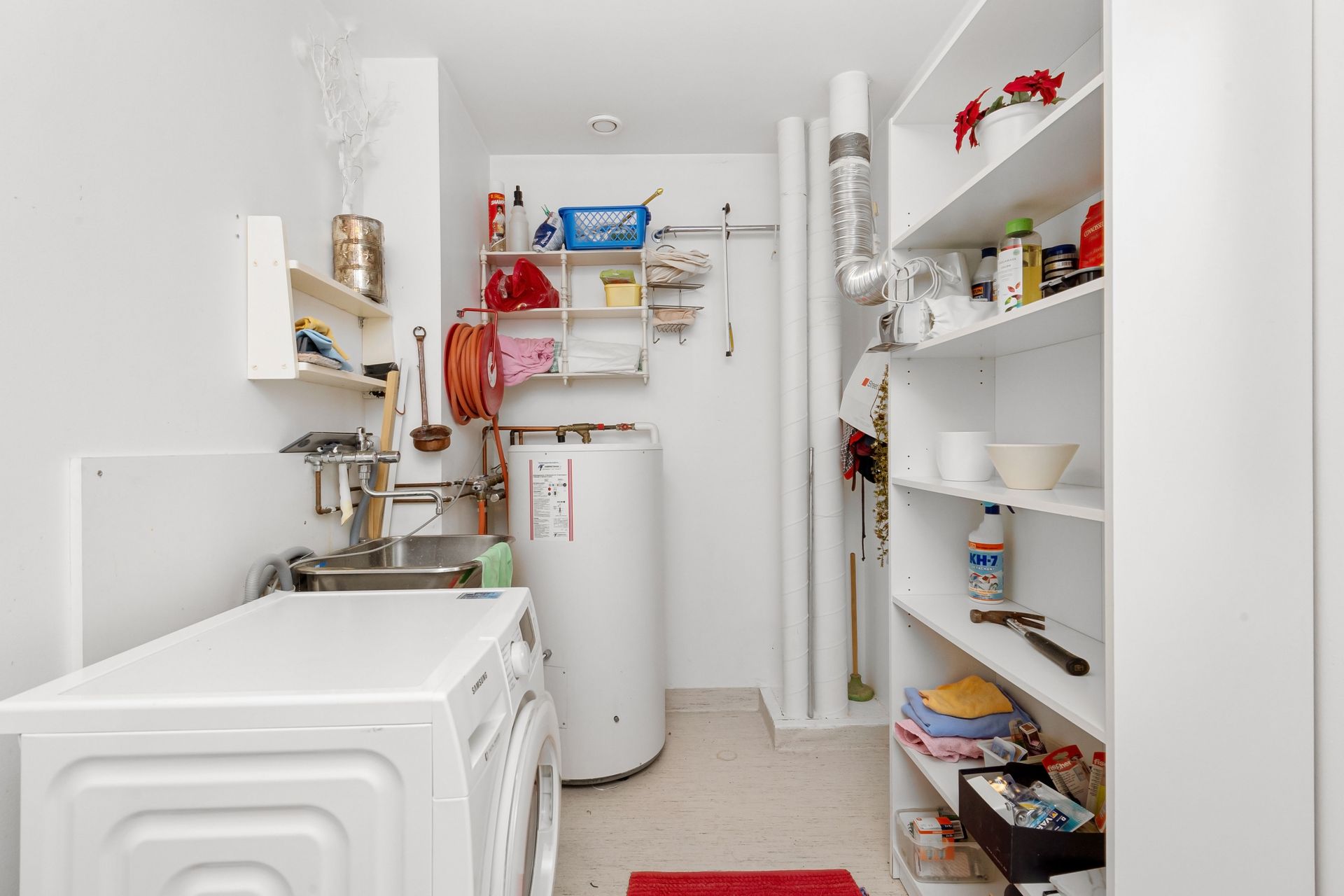
Older homes in Como, Yantis, and Mount Vernon often have heaters tucked into closets, attics, or garages that were laid out decades ago. Where the heater sits determines what the new installation needs, whether that is a drain pan, a raised platform, or a new vent route.
Water Heater Questions
How long does a tank water heater last?
About 8 to 12 years is typical for a conventional tank. Sediment buildup, water quality, and skipped maintenance can shorten that. The manufacture date is coded into the serial number on the unit's label.
What size water heater does my household need?
A common rule of thumb is a 40-gallon tank for two or three people and a 50-gallon tank for four or five. The first-hour rating on the EnergyGuide label is the better guide, since it reflects how much hot water the heater can deliver at peak use.
Can a leaking water heater be repaired?
It depends on where the water is coming from. A leak at a fitting, a supply line, the drain valve, or the relief valve can often be fixed. A leak from the tank body means the steel has rusted through, and the heater has to be replaced.
What temperature should a water heater be set to?
The U.S. Department of Energy recommends 120 degrees for most homes. Many heaters ship set at 140 degrees, which uses more energy and raises the risk of scalding, especially for young children and older adults.
Why does a new water heater need an expansion tank?
Water expands when it is heated. If a check valve, backflow preventer, or pressure-reducing valve keeps that extra volume from flowing back into the supply, pressure in the house climbs with each heating cycle. The International Plumbing Code requires thermal expansion control in that situation, and an expansion tank is the usual solution.